
Building Rental Housing for the Long Term
October 28, 2026
This article was originally published in the 2026 Fall Edition of FRPO's Fair Exchange of Rental Industry News.
By Christopher Janisse, Vice President, Development and Construction, ParkProperty Development
A rental building is both a long-term asset and a place people call home, and decisions made long before residents move in determine how well it serves both purposes. When planning and design overlook day-to-day realities, problems can be built in from the start: suites that frustrate residents, back-of-house spaces that hinder operating teams, and inefficiencies that affect building performance for decades.
Preventing those problems starts by connecting the people who develop rental buildings with those who operate them. ParkProperty Development (PPD) is the dedicated development division of Park Property Management (PPM). Together, PPD and PPM, collectively referred to as “Park,” combine development and construction expertise with more than 50 years of property and asset management experience. This integrated structure closes the gap between how rental buildings are designed and how they function, creating better homes for residents and easier-to-operate properties.
A pipeline informed by experience
PPD’s current development program includes projects at 3030 Pharmacy Avenue, 235 Balliol Street, 330 Mill Road, 596 Lolita Gardens, and 2 and 4 Milepost Place. These properties form part of a purpose-built rental pipeline exceeding 10,000 units: important new supply at a time when Ontario urgently needs more homes.
Each site comes with its own planning requirements, physical constraints, and community considerations. For example, aging rental buildings can create an opportunity to use the property more strategically and introduce modern homes that better meet residents’ needs. Across the pipeline, Park’s objective is to deliver housing that feels safe and comfortable to live in and makes sense to operate.
Park is advancing its pipeline by carefully intensifying PPM’s existing portfolio and pursuing new development opportunities. PPD leads the planning, design, and delivery of each project, working closely with PPM's property management, asset management, and finance teams. Bringing those perspectives together means Park can balance the drive for new housing with resident needs, operational realities, and the long-term performance of each property.
Bringing operations into the design process
Property management teams see firsthand how residents use their buildings, how operating teams manage them, and where challenges are most likely to arise. PPM's experience managing rental communities gives PPD real-world insight to apply to new developments from the outset.
That insight shapes much more than the selection of finishes. It informs suite and amenity layouts, movement through common areas, waste management, loading and deliveries, building access, maintenance requirements, and the placement of building systems. Seemingly small design choices have a lasting effect on whether residents feel safe and comfortable, as well as how efficiently the property operates.
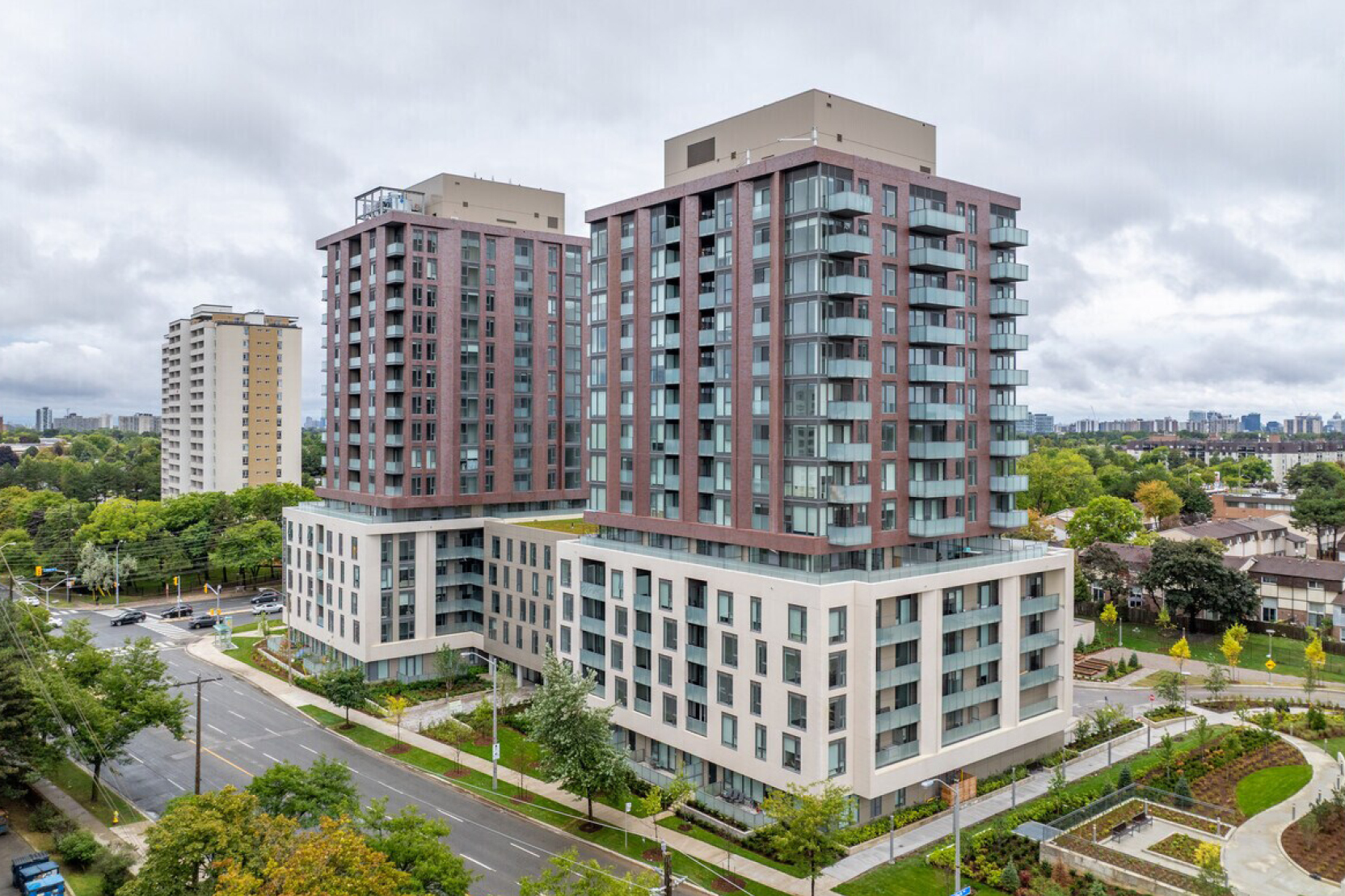
Suite design is one example. An efficient floor plate cannot come at the expense of livability. Unit layouts need usable rooms, appropriate storage, and enough flexibility for how residents live today. The goal is to use space intelligently while creating homes that are functional, comfortable, and competitively priced.
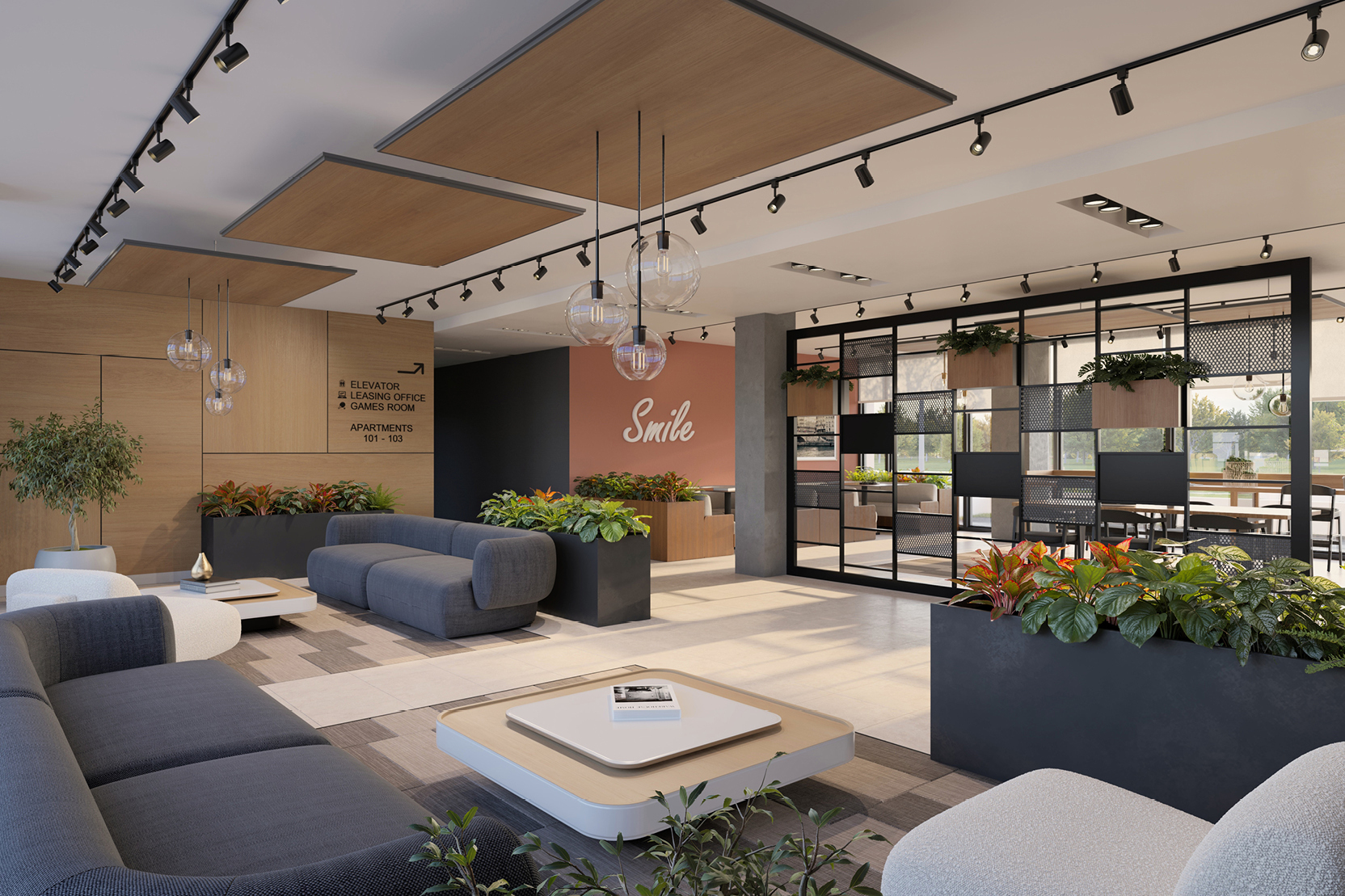
Amenity spaces require the same strategic thinking. Their value depends less on size or number than on whether residents will use them and whether they can be operated effectively. Depending on the location and the community it will serve, that might mean a gym, a shared space where residents can gather with friends or somewhere to do homework or work from home. These spaces also need to be simple to maintain and adaptable as the way residents live, work, and connect changes.
Park's integrated approach means those lessons don't have to be relearned with every project. What PPM learns from residents and from operating its existing communities directly informs PPD's design standards, consultant coordination, and decisions on future developments, creating a continuous feedback loop between existing properties and new developments.
Balancing cost with long-term value
Construction affordability remains one of the biggest challenges facing new rental development. Rising costs, municipal charges, financing conditions, and lengthy approval processes all put pressure on whether projects can move forward. That makes every design and construction decision more consequential not only for the project budget, but also for the quality and value of the homes ultimately delivered.
PPD's construction professionals are involved throughout design, budgeting, and procurement. Their knowledge of current market conditions helps the team identify cost pressures early, assess whether a design can be built as intended, and direct resources toward the features and systems that will make the greatest difference.
Choosing the least expensive option upfront doesn't always produce the best long-term result. Materials and building systems must also be considered for their durability, maintenance requirements, availability, energy performance, and ease of replacement. A targeted investment during construction may reduce operating costs or prevent future disruption for residents. In other cases, a more expensive feature may add little to how residents experience the building or how well it operates.
Park's owner-operator structure means it assesses these trade-offs over a building's full life. The team witnesses and takes accountability for how its choices affect residents, operating costs, and building performance, giving Park a direct stake in getting those decisions right from the beginning.
Building lasting communities
A rental development must work for the people who live there. That means functional homes, reliable building systems, well-maintained common areas, and property managers who respond when residents need them. PPM sees firsthand how those needs change over time, and PPD brings that knowledge into each new project while responding to the surrounding neighbourhood and market. When new housing is added to an existing rental community, Park plans carefully, communicates clearly, and considers the people who already call the property home.
Ontario needs substantially more rental housing, and delivering it at scale will require investment and supportive public policy. It also takes developers who understand that construction decisions will affect residents and building operations for decades. That's why Park looks beyond opening day. The real measure of each community will be how well it serves residents and performs for years to come.